Buying organic or shade grown coffee is an easy way to support biodiversity. We’ve been buying bulk coffee beans online – from Higher Trading Grounds – for about eight years now. You might come across the term ‘shade-grown’ coffee and wonder what that means, so here is some info on it. Jennifer Yeatts from Higher Trading Grounds, where we’ve been ordering our bulk coffee beans for many years, explained that organic coffee is almost always shade grown, and shade grown coffee is almost certainly organic. “So when you buy organic, you’re supporting biodiversity and birds,” she said
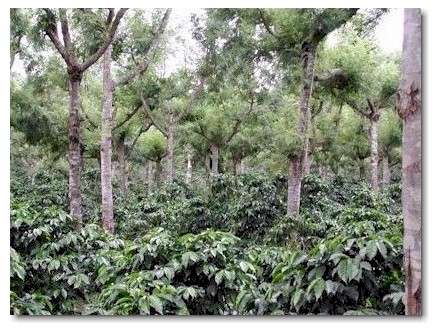
First some definitions: Unlike conventional coffee which is grown in full sun on cleared areas of land, shade-grown coffee grows under a canopy of multiple tree species, which harbors native birds, insects and other critters. It also provides biological corridors vital to migration.
I was introduced to the concept in the 1990s when I read an article posted in front of Macy’s, a popular coffee place in Flagstaff AZ. It discussed the environmental damage caused by the increasing coffee consumption in the U.S.. In my travels to Guatemala, Belize and Costa Rica, I’ve witnessed the rich animal life amidst shade-grown coffee farms. In the late 80s I also saw the clear-cut areas of full sun coffee in my travels to Ghana and Togo.
Problems with Industrial ‘Sun’ Coffee
- Numerous acres of have been cleared for conventional coffee. The Mexican Highlands, which ranks second in the world in their range of biodiversity and provides habitat to over 180 bird species, according to the Smithsonian Migratory Bird Center. In the mid-1900s, 40% of top-level canopy trees were clear-cut for coffee plantations.
- Traditionally-managed coffee and cacao (chocolate) plantations support a significantly greater number of birds compared to other agricultural lands. In contrast, studies in Colombia and Mexico have identified over 90 percent fewer bird species in sun-grown plantations than in shade coffee.
- It is true the output of sun coffee is higher than shade-grown. But in addition to the loss in biodiversity there is increased soil erosion and toxic run-off due to the pesticides.
Buying Shade-Grown (or Organic) Coffee
- Buy organic: Trader Joe’s and Whole Foods carry organic coffees and more regular grocery store are stocking organic and shade grown coffees.
- There are numerous online sites to get beans or ground coffee. As mentioned we get ours form Higher Grounds Trading – It’s fair trade so the farmers are assured profits and organic, plus we like to get a variety. We buy medium roast 5# bags. Grounds for Change is another popular one.
- If you like Starbuck, buy their organic coffee.
- If in doubt, look for certifications from the Rainforest Alliance, the Smithsonian’s Bird Friendly logo or USDA Organic.
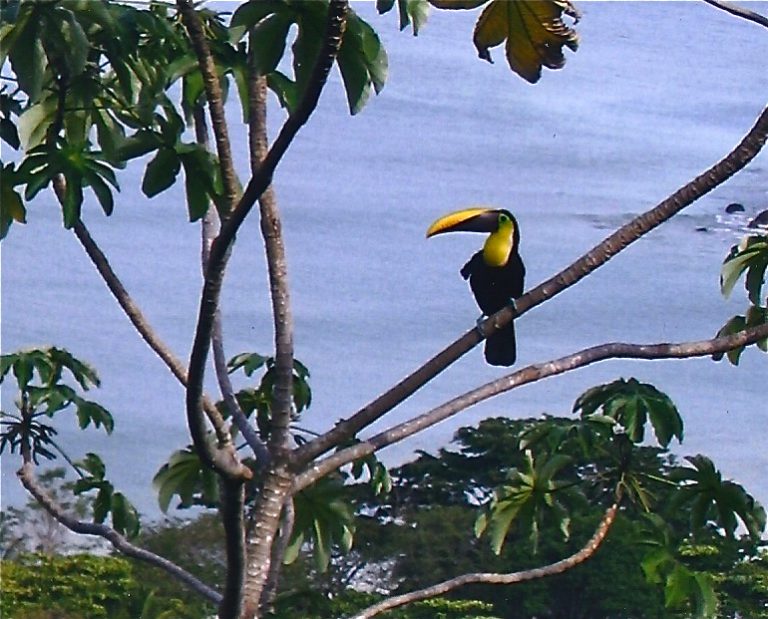
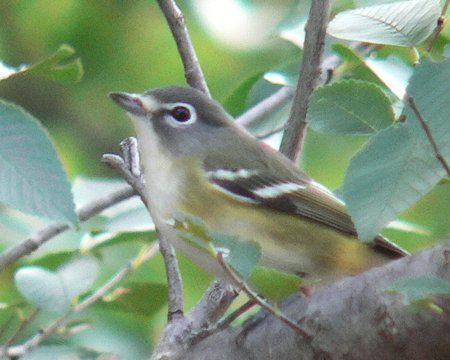
The birds above are among those suffering lost habitat. Others include redstarts, yellow-throated vireos, parrots, trogons, toucans and woodcreepers.
For more info:
Shade Coffee Benefits More Than Birds – 2008 Science Daily article about genetic diversity and other benefits of shade-grown coffee
NRDC article: Coffee, Conservation and Commerce in the Western Hemisphere
Smithsonian Fact Sheets: Neotropical Migratory Bird Basics and Why Birds are Crazy about Coffee (which reviews the studies on traditional and shade coffee biodiversity)
US Fish & Wildlife Shade-grown coffee and migratory birds sheet
Certifications – Look for the following certifications – Rainforest Alliance, the Smithsonian’s Bird Friendly logo or USDA Organic.
Linda! I’ve learned so much from you through your posts. Thank you. And now I have the scoop on shade-grown coffee and will certainly buy it. Happy New Year!
you’re welcome Heather! I so appreciate your feedback & a great 2013 to you too….
You really make it seem so easy with your presentation but I
find this topic to be actually something that I think I would never understand.
It seems too complex and extremely broad for me.
I am looking forward for your next post, I’ll try to get the hang of it!
Yes! It helped when I heard that nearly all organic coffee is shade-grown – but my next post I’ll delve into that more. And try to make it easier to understand. Feel free to send me some qs that would help nail it down better (via comments here or individually to linda@ifnaturecouldtalk.com
Appreciate the comment.
Do you mind if I quote a few of your articles as long as I provide credit
and sources back to your website? My blog
site is in the very same niche as yours and my visitors would genuinely benefit from some of the information you provide here.
Please let me know if this alright with you. Thanks!
Sure, what is your blog site?